In these cases, the statute of limitations is extended to four years. Different situations and circumstances can leave room for extension as well, for instance, when a motor vehicle was used during an incident where a person was injured.

Colorado Personal Injury Laws Statute Of Limitations - Robinson And Henry
That means victims only have a set amount of time to file a claim against the negligent party.

Statute of limitations colorado personal injury. In colorado, the statute of limitations varies depending on the type of case. If you don't file your case within two years, you may be barred from bringing it to court at all. In colorado, you have two years to file a lawsuit after an injury.
If you have been injured, it is important to have a colorado personal injury lawyer evaluate any personal injury claim you may have. For most claims, you only have two (2) years after the day of your accident or injury. If the defendant cannot be served with the lawsuit, then this time of absence or concealment simply will not count against the statute of limitations.
Personal injury statute of limitations. “(1) the following civil actions, regardless of the theory upon which suit is brought, or against whom suit is brought, shall be commenced within two years after the cause of action accrues, and not thereafter: The amount of time allowed to pass before filing a personal injury lawsuit varies between 1 to 3 years.
A person injured in a colorado car wreck on. What is the colorado statute of limitations on personal injury matters? For personal injury accidents, the statute of limitations in colorado is two years.
What is the statute of limitations for personal injury in colorado? If the personal injury accident involves a motor vehicle, then the statute of limitations is three years. Like all other states, colorado has instituted a series of statutes of limitations that can be raised to bar claims filed in court after a certain period of time has passed.
Most personal injury matters the statute of limitations is two years. The colorado statute of limitations for personal injury and negligence cases is two years. In any given state, the same statute of limitations will usually apply to most personal injury lawsuits, or to most cases in which the basis for liability is the personal injury law concept of negligence. that includes lawsuits for injuries stemming from car accidents, slip and fall incidents, dog bites, and more.
How long is the statute of limitations for personal injury matters in colorado? The statute of limitations that will apply to your colorado personal injury lawsuit depends on the nature of the accident or incident that harmed you. However, personal injury cases have a statute of limitations in colorado.
If the defendant is the state of colorado, or a city or county, a plaintiff has 180 days to file a formal claim and 2 years to file the personal injury lawsuit. Statute of limitations in colorado for personal injury claims. That means you have 2 years from the date you.
Our consultations are free for all personal injury claims. What is the statute of limitations for personal injury claims in colorado? The personal injury statute of limitations in colorado is two years from the date an injury occurs.
Understanding colorado’s statute of limitations laws can be complicated, but an experienced injury attorney can guide you through the claims process. For slip and fall, premises liability, toxic tort and other personal injury cases involving negligence, the statute of limitations is two years in colorado. For general personal injury and wrongful death claims, colorado’s statute of limitations is two years from the date of injury.
The statute of limitations is extended to three years if the accident in question was an automotive accident.this includes motorcycle accidents. In colorado, the statute of limitations period for a personal injury claim is typically two years from the date of injury, depending on the nature of the claim. Furthermore, the colorado personal injury statute of limitations may toll if the defendant flees from or “conceals himself” within the state of colorado.
What happens if the statute of limitations expires? The time period begins in most cases when the accident occurs and/or the victim suffers his or her injuries. Colorado law provides strict deadlines for bringing personal injury, insurance and wrongful.
In the case of colorado motor vehicle accidents, the statute of limitations is 3 years and begins immediately after the accident occurs. The only exception is for cases in which a negligent driver is convicted of vehicular homicide and leaving the scene of the fatal accident. Because this is such an important issue, it is usually a good idea to speak with a lawyer as soon as possible to avoid potential issues.

What Is The Average Time To Settle A Personal Injury Case Mcdivitt

Personal Injury Action Personal Injury Attorney Personal Injury Injury Attorney

Personal Injury Lawsuit Time Limits The Statute Of Limitations In Georgia

Time Limitsstatutes Of Limitation In Colorado For Personal Injury Lawsuits

Lakewood Personal Injury Lawyers The Frickey Law Firm
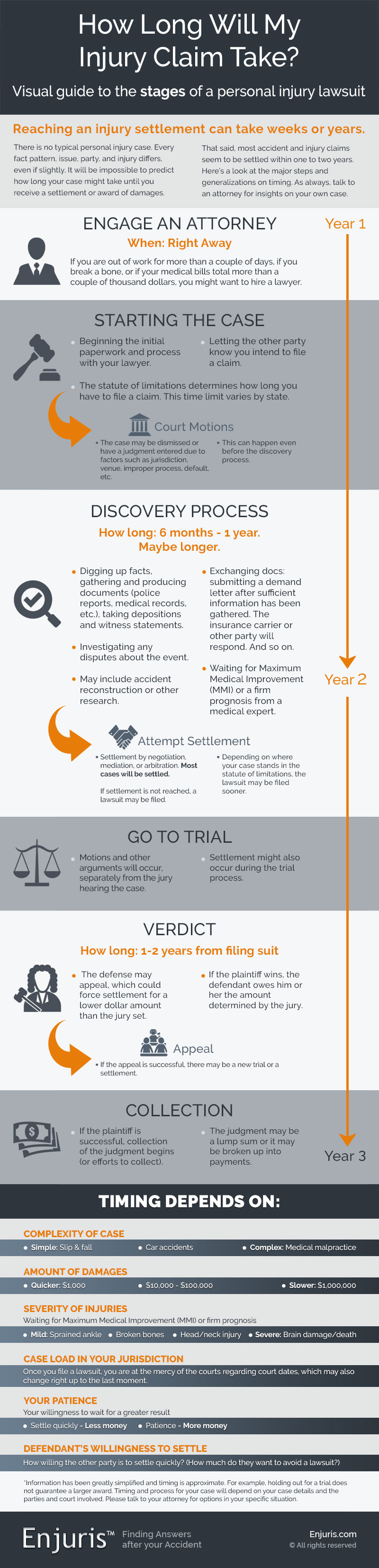
Lawsuit Settlement Process How Long Will My Injury Claim Take
Statute Of Limitations For Colorado Personal Injury Claims Ramos Law

How Much Is The Average Personal Injury Settlement Jack Bernstein

The Guide To Filing A Personal Injury Lawsuit
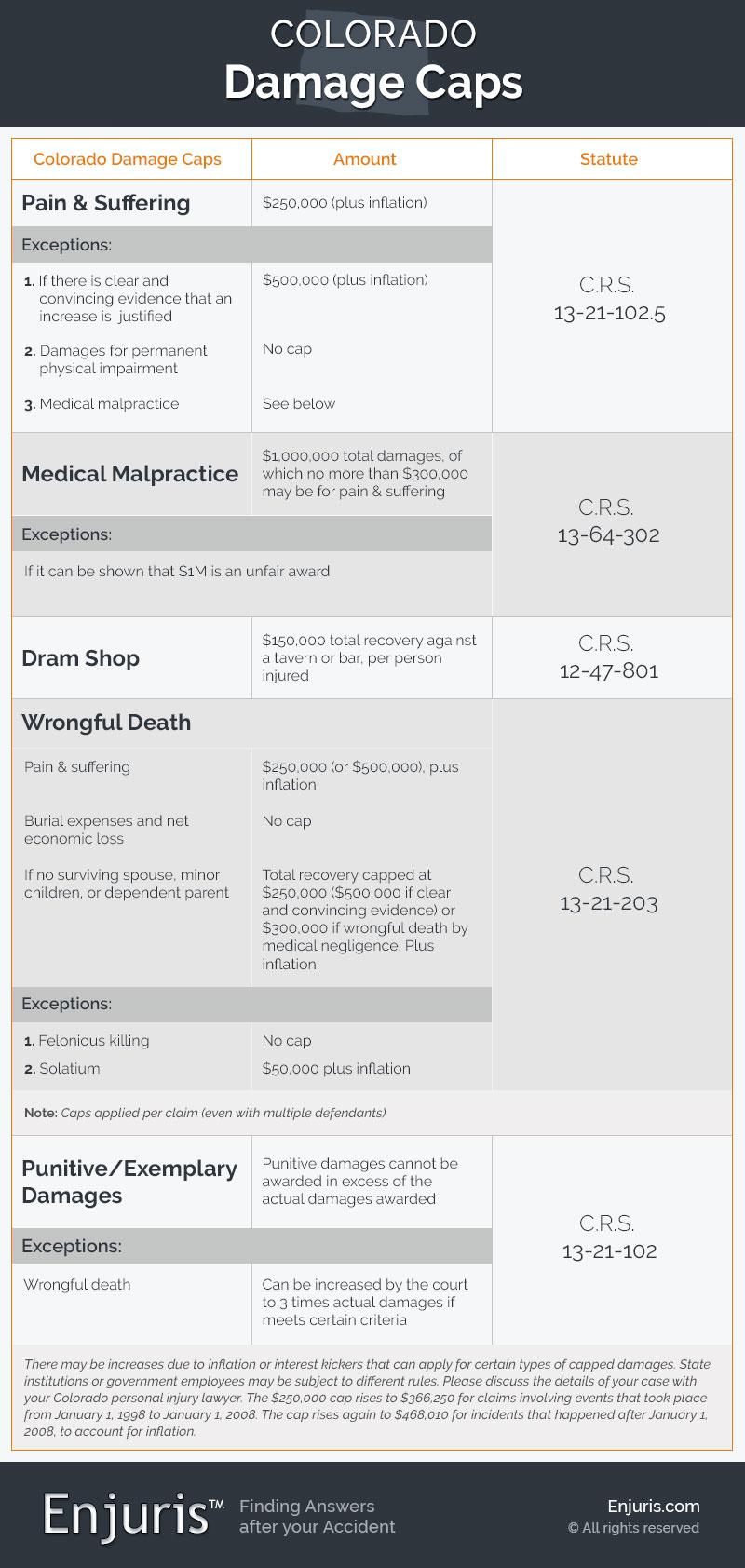
Damage Caps In Colorado Personal Injury Law

The Characters Parents Die In A Car Crash Car Accident Injuries Car Accident Lawyer Accident Attorney
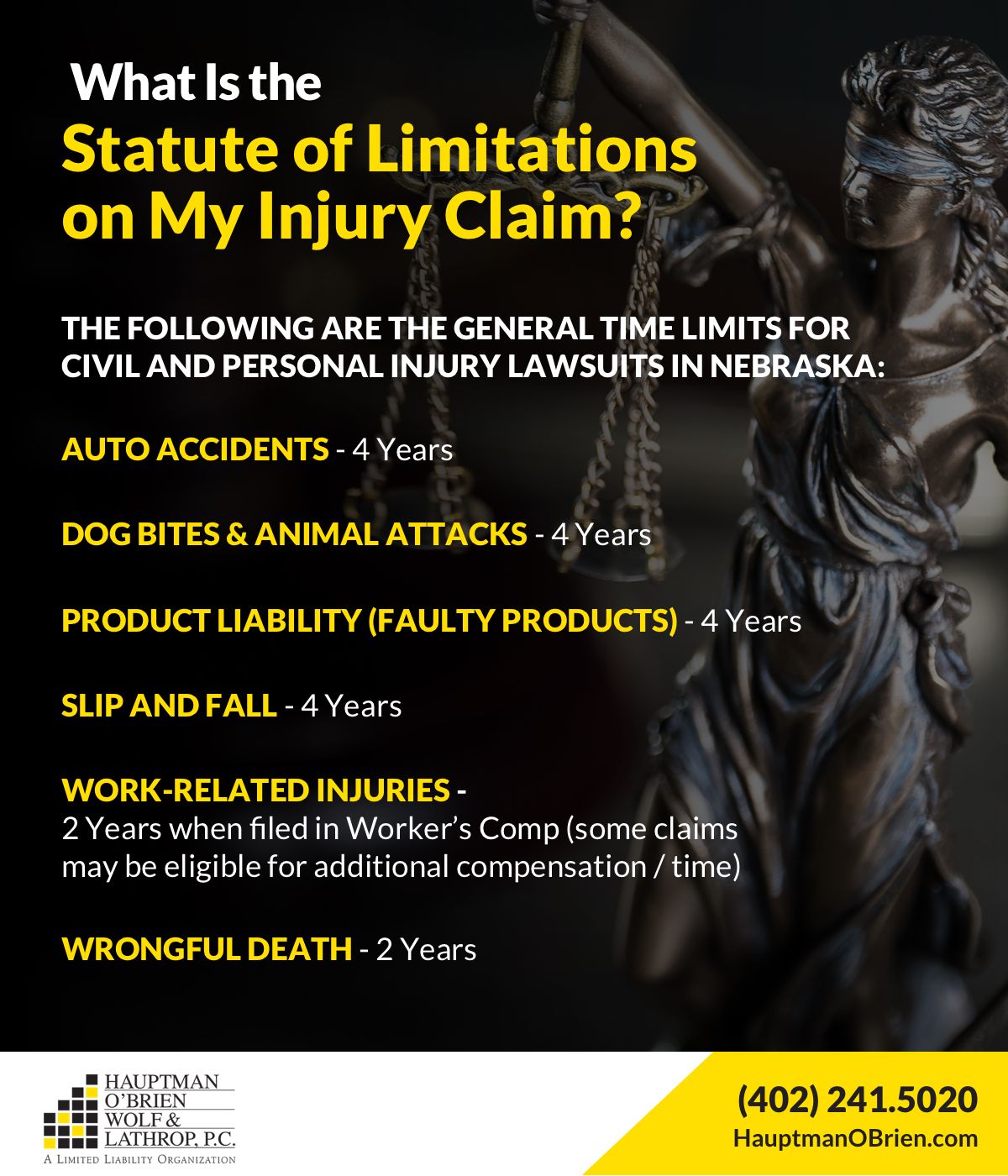
Nebraskas Statute Of Limitations For Personal Injury Claims

Texas Personal Injury Attorney 13 Ways A Lawyer Can Help You

What Is A Letter Of Protection Or Personal Injury Lien

How Long Do I Have To File A Personal Injury Lawsuit In Colorado
Personal Injury Law - Get The Compensation You Deserve Murphy Falcon Murphy

Personal Injury Lawyer How Long Do I Have To Sue In Colorado

2 Important Elements In Pedestrian Accidents Car Accident Lawyer Pedestrian Accident Personal Injury Law

Personal Injury Lawsuit Process Austin Tx Injury Law Firm
Comments
Post a Comment